
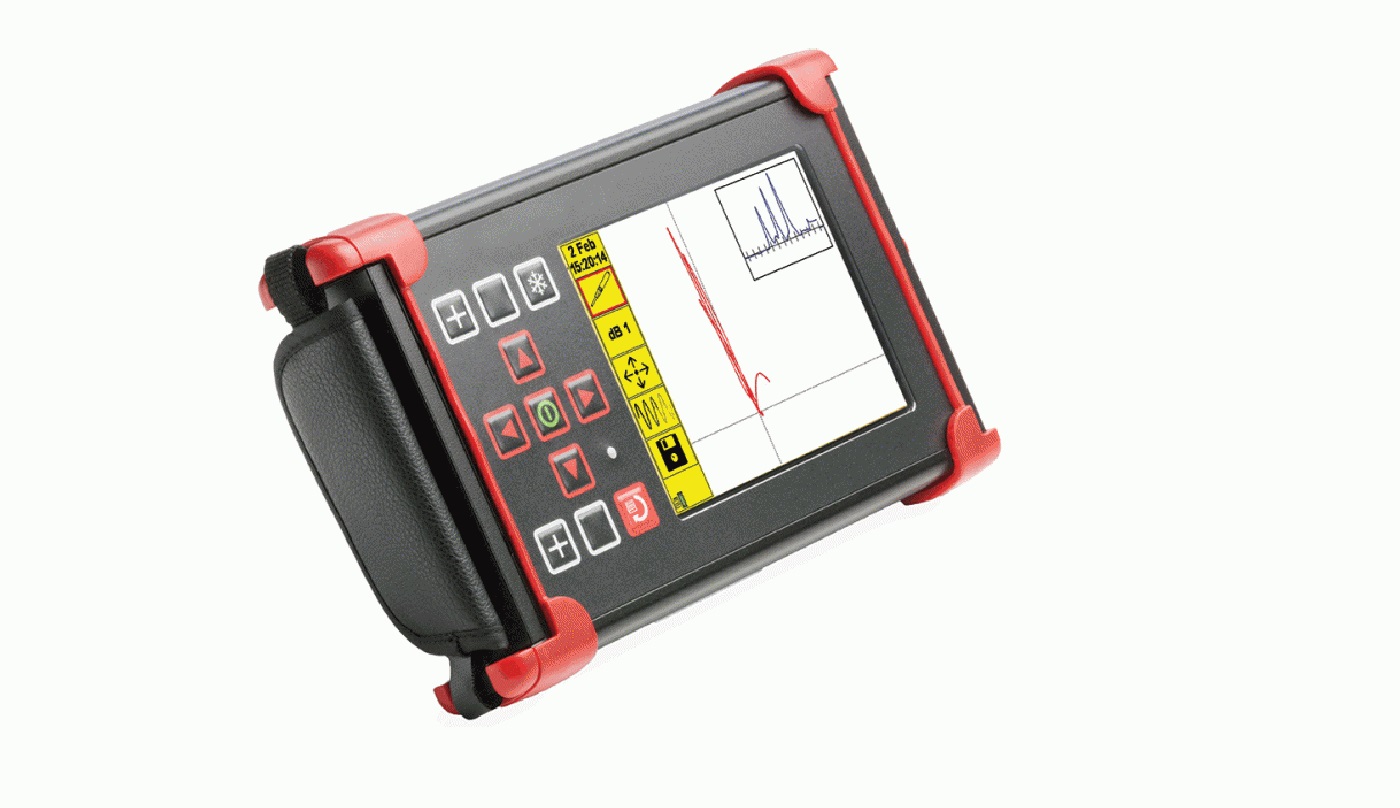
WeldCheck 2 / + Eddy Current Flaw Detector
Sale ✓ Rental ✘
The WeldCheck Eddy Current (ECT) Flaw Detector from ETher NDE appeals to users within a wide range of industries including Offshore, Rope Access non-destructive testing (NDT) applications and other weld inspection applications, replacing Magnetic Particle and Liquid Penetrant Inspection, especially on coated welds.
The WeldCheck EC Flaw Detector is lightweight, compact and cased in tough aluminium alloy Mg Si 0.5 powder-coated outer case and has been designed with the end user in mind.
Designed and manufactured in the UK, the WeldCheck ET Flaw Detector offers a crisp, clear daylight viewable screen, user friendly interface and menu systems.
- Designed to meet & exceed the requirements of EN 1711 & ISO 17643 “Eddy Current Examination of Welds by Complex Phase Analysis”
- Advanced features including Loop, Guides & Automatic Lift-Off Gain Correction
- Large, crisp, daylight readable display
- User-friendly interface and ergonomic lightweight design
- Over 7 hours battery life
- Rapid 2.5 Hour charging time
- Two-year warranty
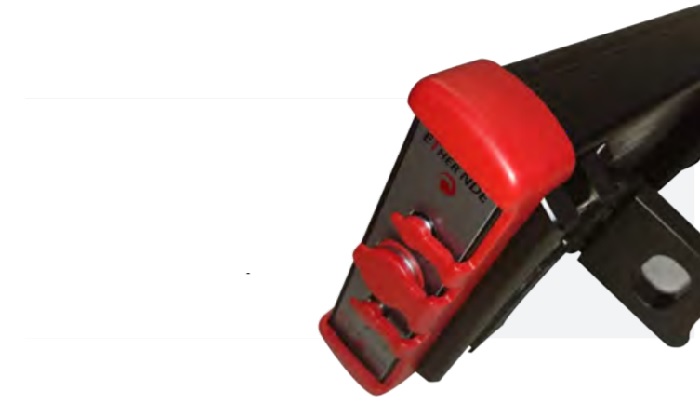
Industry Standard Connectors
The WeldCheck series uses a wide range of eddy current probes meeting all the needs of the
Aerospace Eddy Current Inspector. Absolute, bridge and reflection connected probes can use the
industry standard 12 Way LEMO Connector. A LEMO 00 Connector is also provided for simpler
connection of absolute probes.
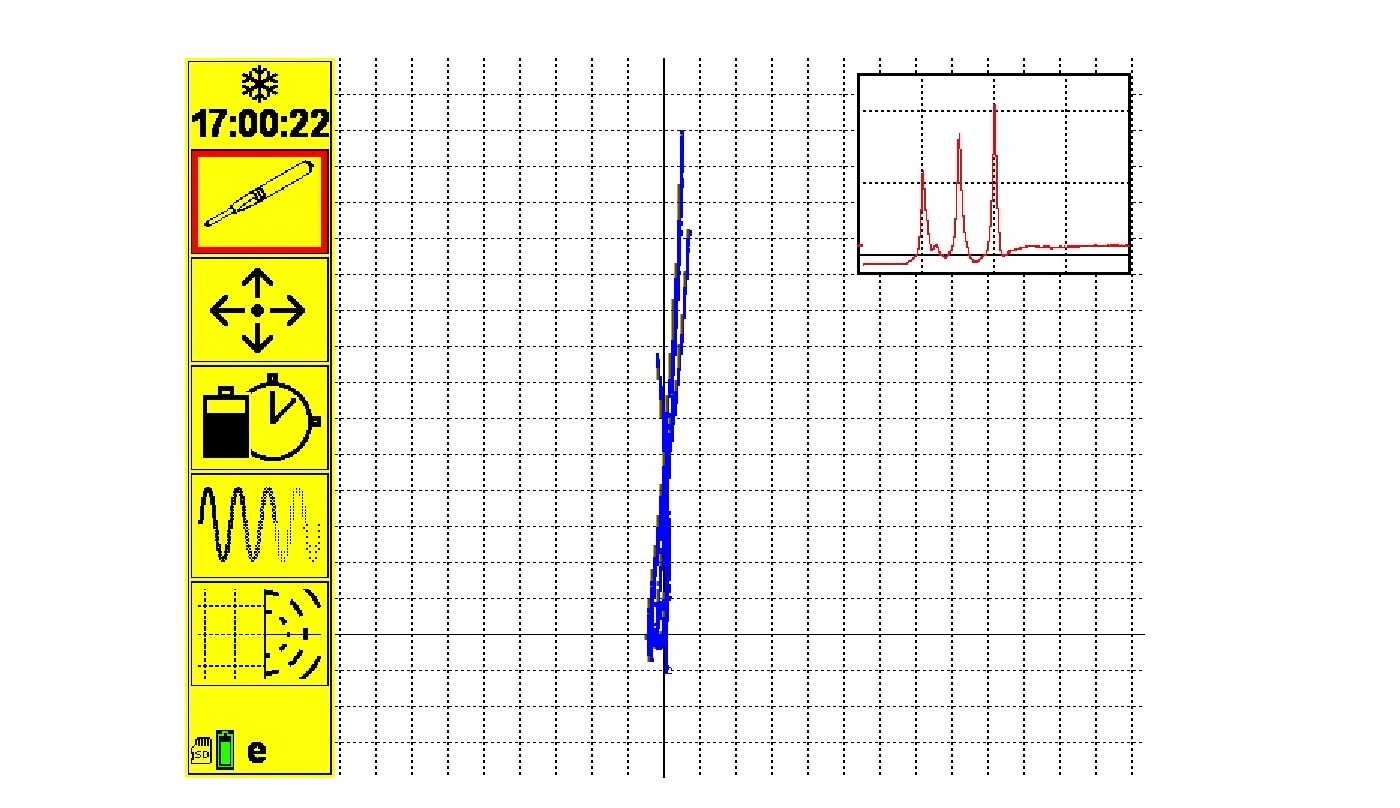
Easy Icon System
In order to allow the operator to configure the instrument for ease of use there is a system of operator-selectable soft keys. Every menu item has its own easily recognisable icon. There are four soft key positions for operator selectable icons for frequently used functions and a fifth position for the last menu function used. Each saved instrument setting can be associated with a unique, one press set of quick access functions. There are also two front panel hard keys that can also be easily programmed for rapid one press access to instrument functions.
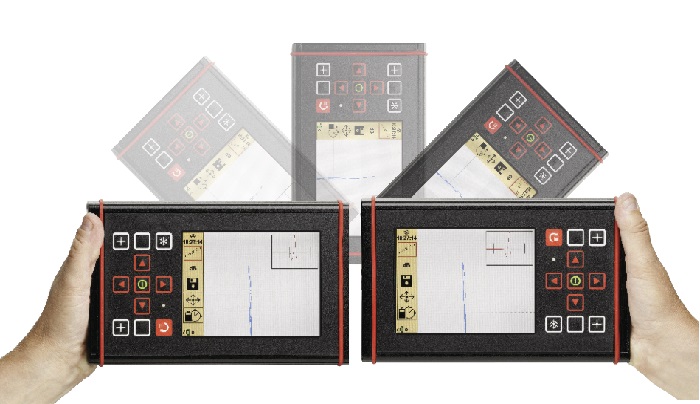
Works the way you do!
The WeldCheck series has been created with user convenience
and efficiency in mind at all stages of the design and manufacturing
process. One Key Benefit of the WeldCheck series is the “flip”
function providing the ability to work identically in left-handed and
right-handed mode.
Record and Replay
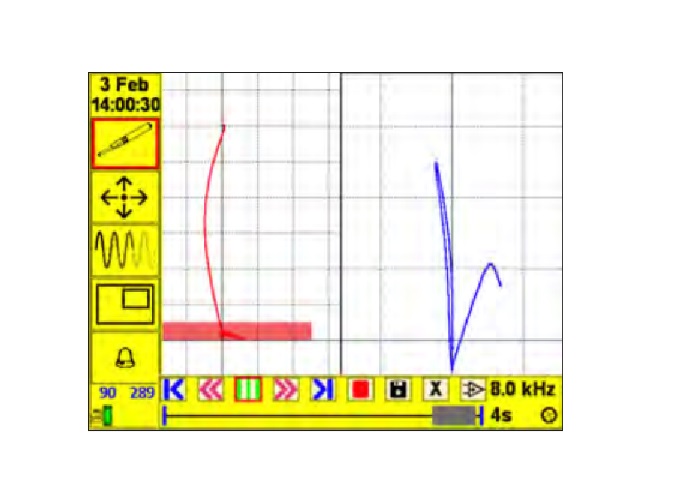
Up to 164 seconds of live data may be recorded in real-time and then played back
either on the instrument or on a PC, using the desktop application ETherAnalyser for
subsequent analysis and review. The recorded data may be further optimised by
adjusting many settings including Phase, Gain, Filters, Display and Spot position.
Essential Connectivity
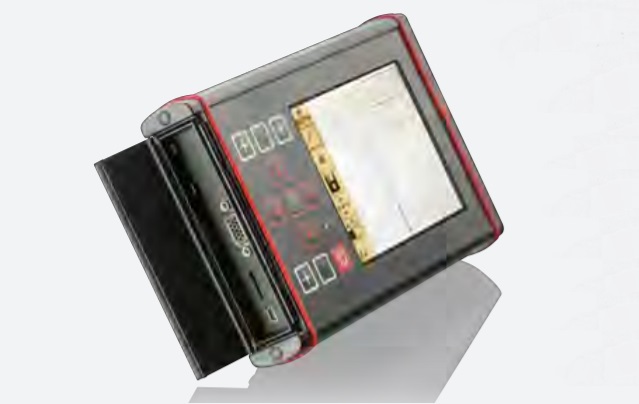
The WeldCheck series contain, within a protected compartment, a VGA output connector, MicroSD slot for up to 2GB storage of traces and setup files, and USB for fast transfer
Daylight Visible Large Colour Screen
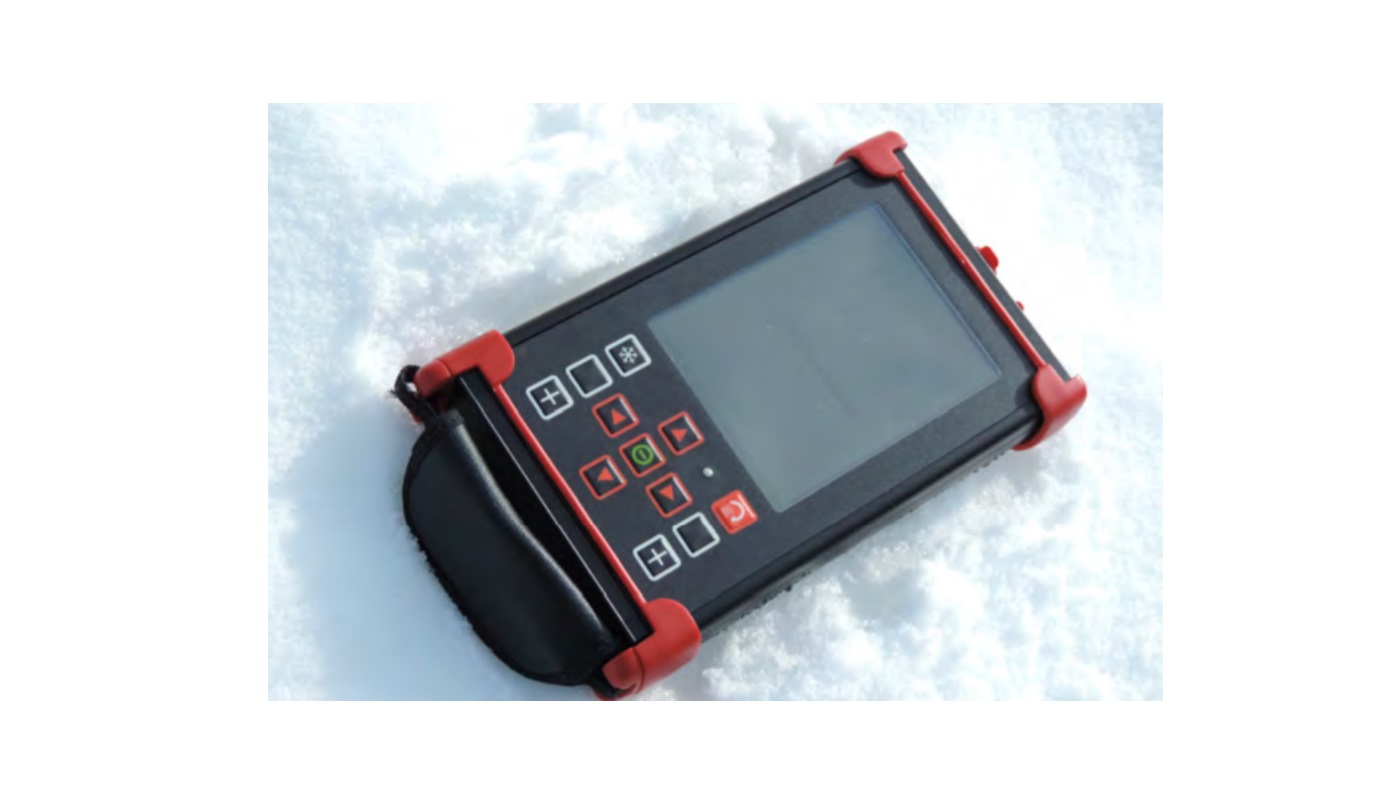
The WeldCheck has a fully daylight readable 14.5cm LCD Colour Screen of 640 x 480 pixels ensuring the Operator has excellent signal resolution and presentation no matter what the working conditions are. The operator has the choice of configuring their own colour schemes and display types. This will optimise their viewing ability of the screen in any light conditions. It is possible to view the readings in a choice of spot, time-base, waterfall or meter display types.
Weldcheck + features:
Conductivity Measurement
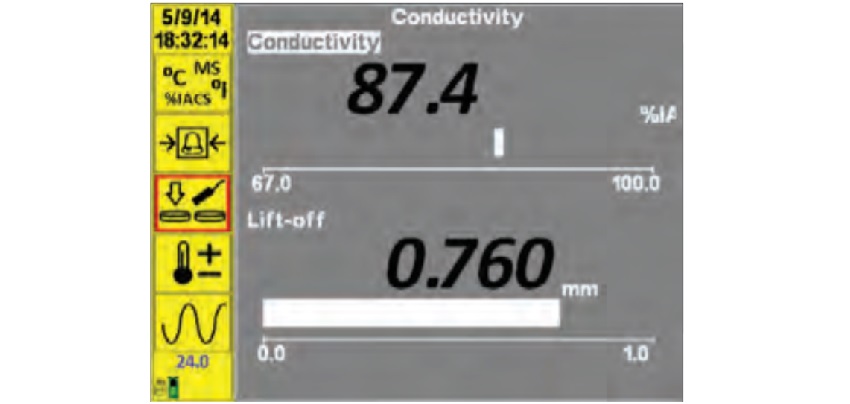
When connecting the Conductivity Probe, the WeldCheck+ auto-detects the probe and seamlessly switches into conductivity mode. Removal of the probe switches the instrument back to flaw detection mode. NB: The Conductivity Measurement Option is available through the purchase of the KACON001 KIT.
Automatic Lift Off Gain Compensation
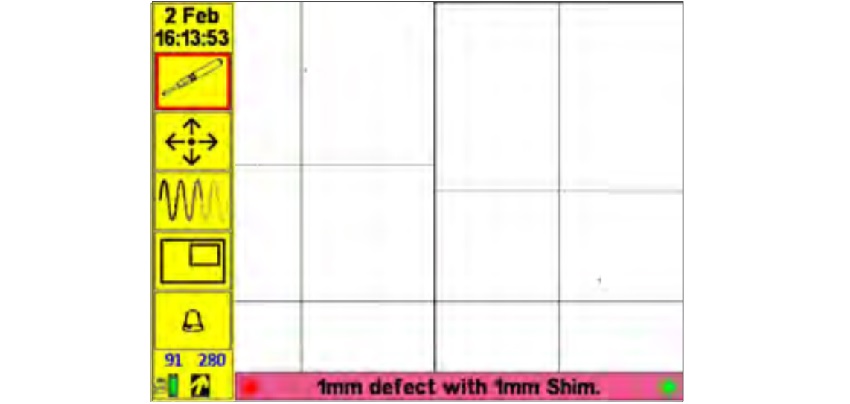
The Lift Off Gain (LOGC) is a feature that automatically compensates the gain of the defect channel according to the paint thickness thus ensuring that a defect signal will appear the same height irrespective of the paint thickness.
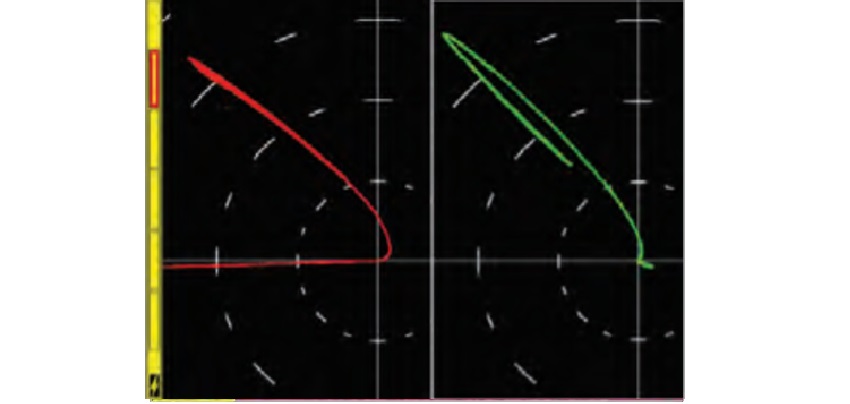
Dual Frequency/Channel Feature
At different frequencies, different signal
indications (e.g. lift off and defect) have a different relative phase and amplitude
response. By means of Phase rotation and Gain change of the X Y signal
components one of these indications can be manipulated to be almost identical
in phase and amplitude as the other and then by subtraction (mixing), the
unwanted component is minimised, giving an improved detection of the required
signal.
